In Appreciation

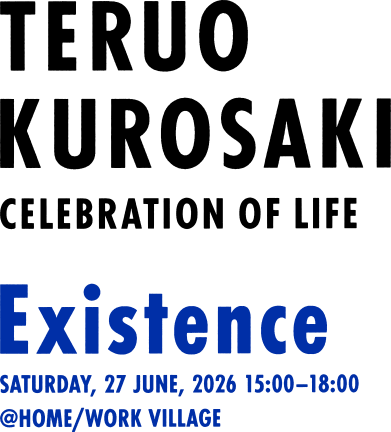
We would like to express our sincere gratitude for joining us at “TERUO KUROSAKI CELEBRATION OF LIFE – Existence” despite the severe weather.

With two typhoons arriving simultaneously, the day unfolded in a way that somehow felt like Kurosaki-san. This event gave us the opportunity to reunite with so many people who had shared meaningful connections with him.

Just as it always had been when he was with us, the gathering was filled with smiles, conversation and warmth. We believe that this day of reunion, and the heartfelt time we shared together—accompanied by the music he loved so dearly—reached him as well.

As we look ahead, we hope to continue walking this path together with all of you. Carrying forward the relationships, places, and taste that Kurosaki-san left us, and ensuring that his “existence” continues to connect us with the future.

NPO Farmers Market Association
Teruo Kurosaki Celebration of Life Office

Photos

01 00

Photos: Shin Hamada

Event Overview

Date
Saturday, June 27, 2026
This gathering has ended.
Time
15:00 - 18:00
Reception opens at 14:30
Venue
HOME/WORK VILLAGE
Address
2-4-5 Ikejiri, Setagaya-ku,
Tokyo 154-0001
Admission
Free
Should you wish to express your support for his legacy, please make your contribution to the fund .

Program

14:30
Doors Open
15:00
Opening Remarks
1F Gymnasium
15:10
Words of Remembrance
1F Gymnasium
15:30
Toast
1F Gymnasium
15:45
Gathering and Conversation
1F Gymnasium, Schoolyard, Courtyard, 2F Gallery
18:00
Closing Remarks
1F Gymnasium

For Guests

  • This gathering is open to everyone.
  • Please come in whatever attire feels comfortable to you. Casual or formal - either is perfectly fine.
  • We respectfully decline condolence money, offerings, and flowers.
  • We would be grateful if you could bring a business card, as we will be collecting them at reception.
  • Drinks and light refreshments will be served during the gathering.
  • Photography and video recording are planned for the day. Photos and footage taken may later be used in archives or related media.

About Teruo Kurosaki

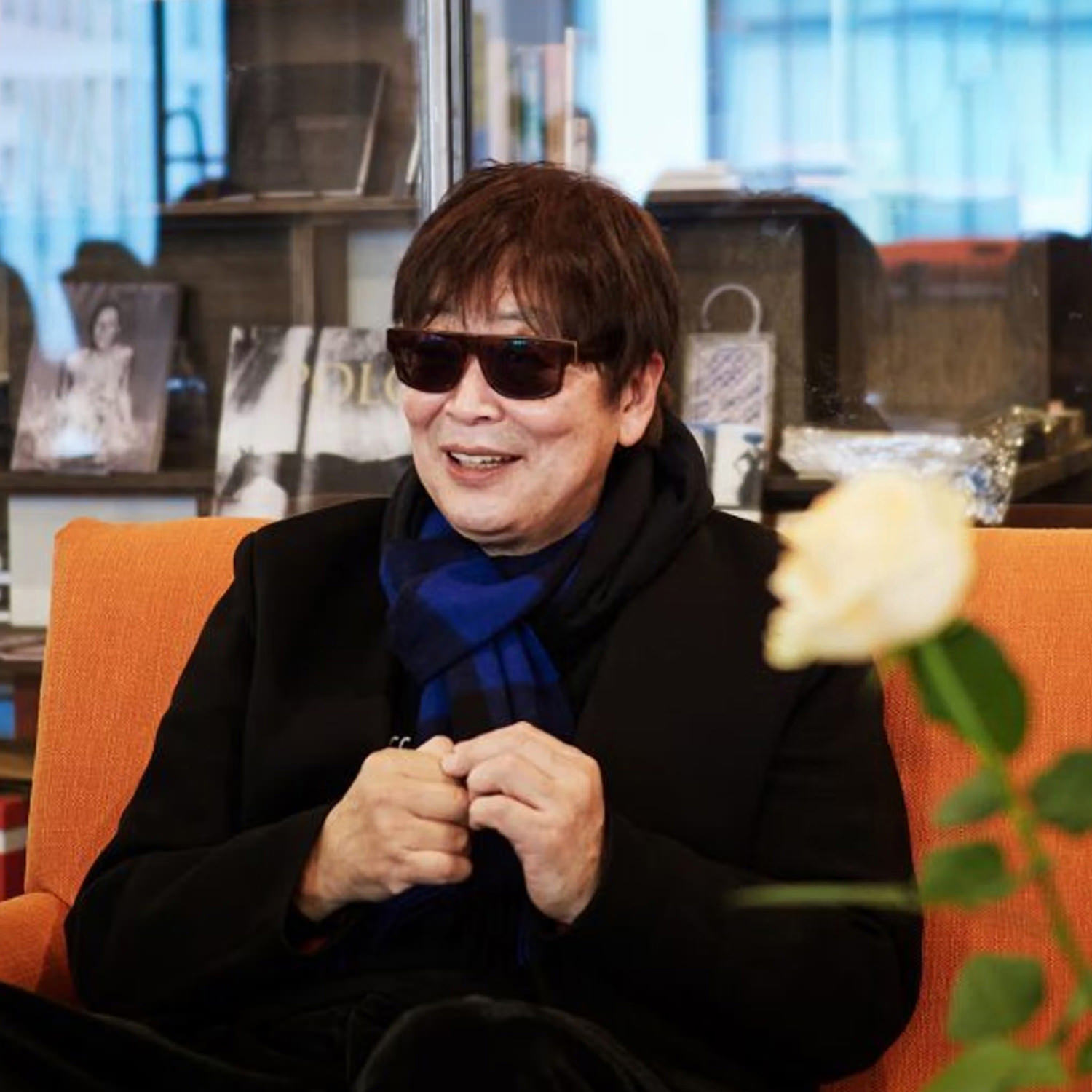
Teruo Kurosaki was someone who discovered new value and new connections among people, places, and culture - and gave them form.

Crossing many different fields such as food, agriculture, design, craft, and the creation of places, he brought together countless people and communities, giving rise to new landscapes and new communities.

Wherever he was, people naturally gathered. Conversations began. New challenges took shape.

His warmth, humor, free-ranging imagination, and his deep belief in people will live on in many hearts for years to come.
Teruo Kurosaki

Messages

Kengo Kuma

Kengo Kuma & Associates

黒﨑輝男さんと自由の思い出

イデーの創業者の黒﨑輝男さんが亡くなって本当にさびしい。彼は、若い才能を発見する天才であり、僕の知る限り、日本で最高の目利きであった。「原稿を書いてくれませんか」というのが、彼からもらった最初の連絡だった。まったく無名だった僕に、彼が創刊する不思議な雑誌への寄稿を頼まれたのである。

なぜかわからないが、彼のまわりだけ、空気が自由に流れているようで、引きつけられた。それがきっかけで長い付き合いが始まり、いろいろなものを一緒に作ったり、考えたりした。おもしろいと思うものがなぜか重なることが多く、アメリカのポートランドがおもしろいと思っていたら、彼もすでにポートランドといろいろ遊び始めていた。

彼には才能を発見する特別な目がそなわっているようで、日本にオーストラリアから留学中のマーク・ニューソンに横断歩道で傘を貸してあげて友達になり、デザインを依頼して、それがひとつのきっかけとなってマークが世界一のプロダクトデザイナーになるエピソードは、最高に楽しい自慢話だった。後日、僕はマークとも一緒に日本酒ブランドIWAのしごとをした。

パリののみの市でゴミのように積まれていたガラクタの中から、セルジュ・ムーユの照明を発見して、それからムーユの世界的大評価が始まったというエピソードも痛快だった。

去年は、福井のESHIKOTOでソバ屋とパン屋を一緒に作って遊んだ。地元の青山で、若いデザイナーを育てるタリアセンみたいなものを作ろうというネタが、僕らの最近の酒のツマミだった。自由というものの価値を教えてくれた、かけがえのない先輩だった。

Philippe Starck

STARCK

Astrid Klein & Mark Dytham

Klein Dytham architecture

When we first arrived in Tokyo in the late 1980s, we were fortunate to work for Toyo Ito. But like many young architects starting out, there came a moment when we decided to establish our own practice. We had enthusiasm, ideas and very little else.

One of the first people to believe in us was Teruo Kurosaki.

In 1996, he commissioned us to design the IDÉE Workstation in Shimouma. It became our first completed project as Klein Dytham architecture. Looking back, I realise that what Teruo-san gave us was much more than a commission. He gave us confidence. He gave us trust. He gave us permission to experiment.

That was one of his remarkable gifts. He could see potential in people before they saw it in themselves.

Many people here will know Kurosaki-san through IDÉE. Others will know him through the designers he introduced, the businesses he started, the markets he created, or the countless conversations that led to new ideas and unexpected collaborations. His influence spread far beyond any single company or project.

What always impressed me was that he never seemed interested in creating a personal empire. He was interested in creating possibilities. He brought people together. He connected ideas. He opened doors.

The word often used to describe Kurosaki-san is visionary. And he certainly was. But vision alone is not enough. What made him special was that he acted on that vision. He took risks on young designers. He introduced new ways of thinking. He challenged accepted ideas about how design could be lived, experienced and shared.

For many of us, the design culture we enjoy in Tokyo today exists in part because of the foundations he helped create.

When we look back at our first project together, we realise that Kurosaki-san was never simply commissioning a building or a piece of furniture. He was building communities. He was creating opportunities. He was investing in people.

His legacy lives on not only in the places he created but in the many lives and careers he touched along the way.

We will remember many moments - moments we have all had - when he would simply wander off during a meeting. You had to be on your game to keep him engaged... and he loved chilled tapioca, I mean, loved chilled tapioca. He would literally go into a trance while he was eating it, at peace with the world.

We would like to thank him for his generosity, his curiosity, his courage and his friendship.

Kurosaki-san, thank you for believing in us.

We will miss you greatly.

Chrissie Charlton

Designer, Letterpress Printer

I first met Kurosaki-san on my first trip to Japan in 1988. My husband Simon Conder had been invited to design a house in Tokyo and Teruo was at the reception. He didn’t look like anyone else there. He was very tall and not wearing a suit. He gave out leaves instead of business cards and whisked us off somewhere else. We clicked immediately.

He would visit us in London where we had a studio in Shoreditch long before it was remotely trendy. Kurosaki picked up on the creative vibe immediately and liked the fact that we both ran small studios full of young designers and did the design work ourselves. We spent many fun evenings at the Chelsea Arts Club, which he loved. The only problem was he was always accompanied by 12 other people so booking a table anywhere could be problematic.

I designed a small catalogue of Idée furniture for him from London, in the early days of computers, and eventually he took a gamble on sending me to Tokyo for two weeks to work on the first Idée mail order catalogue with Takuji Nomoto. It was relentless work as we had to produce page layouts as soon as the photographs came in. And my Japanese is non-existent, but we managed and out it came, on time.

On one cold December trip to London, Kurosaki came with his great friend Kaoro Watanabe. We all loved the music and spirit of the 60s and we took them to see Ronnie Spector and Joey Ramone at Dingwall’s, a venue in Camden Town. They both had dreadful colds but they seem to have disappeared after Ronnie had worked her charm, dressed as Santa Claus.

Another project I worked on in 1994 was The Idée Caffè Book. Kurosaki had hurt his knee snowballing in Hokkaido the previous weekend where he had taken 20 employees for a ski bash. This was typical of Kurosaki: to be able to pull people together for a common purpose, often a left-field purpose. For this project, as the timescale was short, I stayed in a small studio apartment Kurosaki owned in Château Toyo. On the wall behind the futon was written, ‘Philippe Starck slept here’. That certainly spurred you on to have a productive day.

There are so many places and foods I would not have discovered without Kurosaki. My first soba at Mamiana Soba, drinking in the Piano Lounge of the Park-Hyatt (as in Lost In Translation), countless tiny sushi and noodle bars in Tokyo and Kyoto which I would never have found, lovely people he introduced me to both in Japan and London. And the Radio Bar in Aoyama. He seemed to know everyone and everything. One of the most special places was the Forest of Wisdom which he had helped initiate near Komatsu. And we were fortunate enough to stay at Takigahara Farm and see what Kurosaki and the young helpers there were trying to do with the land and the café for the community in Western Japan.

The only problem with Kurosaki-san was there was never enough time. He was always looking towards the next project (great or small), boarding the next flight. There was no one like him.

Ewa Kumlin

Board Chair, Royal Institute of Art

My dearest Kurosaki-san,
The first time I stepped into your office at the IDEE shop in Aoyama in 1998, I was surprised to find several objects by Swedish designers, past and present — glass pieces by Erik Höglund and a pair of felt slippers by Pia Wallén among them. It was then that I learned of your fascination with Nordic design. That was the beginning of our friendship, which would last nearly thirty years.

We had just moved to Tokyo, my husband Krister Kumlin as the Swedish Ambassador to Japan, and I as the accompanying wife, trying to find my way into Tokyo’s contemporary cultural world. While exploring art galleries, I happened to meet the original character Johnnie Walker, who in turn introduced me to the young and upcoming architects Astrid Klein and Mark Dytham and their creative space, Deluxe. Mark told me that I simply had to meet the extraordinary design entrepreneur and visionary Teruo Kurosaki, for whom they had created the IDEE workstation a few years earlier. He also spoke of your impressive work with the IDEE concept store, Rojak, and Sputnik. You were, of course, a pioneer of these concepts — as always, one step ahead of the rest of us.

The rest is history.
Around the turn of the millennium, you started Tokyo Designers Block, and I, encouraged by the strong interest I felt in Japan for contemporary Swedish culture, created Swedish Style in Tokyo — a broad lifestyle platform bringing Swedish artists and designers to Japan. None of this would have been possible without your support and the help of many friends. You and I shared a passion for supporting and connecting new creative talents.

I will never forget one particular occasion. Your health problems had already begun, and I gave you a ride in our embassy car to the hospital. At the time, I was extremely worried about launching the second edition of Swedish Style in 2001, which was much larger than the first. I was missing a substantial amount of funding — at least for my pocket — and you simply said: “Just do it. You have to continue. If you cannot find the money, I will give it to you.”

Of course, I never had to ask you for money, but you gave me the courage and strength to continue a project that would go on for many years.

That was so typical of you.
I share this experience with many of the people you touched and encouraged around the world. You believed in us and gave us the courage to move forward. You planted so many seeds. I am sure many others have spoken of how you helped them grow in their own creative fields. Young international designers whom you brought to Japan are now world famous, thanks in part to your strong sense of quality and vision. Many of today’s successful Japanese designers and architects began in the “Kurosaki school,” guided by your quiet, elegant, and non-controlling manner — like the trunk of a tree extending into more and more branches over time.

We continued with Tokyo Style in Stockholm, where you created the pop-up restaurant “Rice People, Nice People,” and we collaborated on many other events where you invented slogans such as “Good Heart, Good Art.” Our collaboration was, to say the least, non-linear, intuitive, and deeply organic. There was never much structure or endless email conversations. You simply gave me your OK, and I realized the projects, all built on mutual trust and respect for our differences.

I quickly learned that there was no point in pushing you or trying to force you into anything. No formal embassy dinners, no long-term planning. Sometimes you wanted me to accompany you to official meetings with high-level dignitaries, and you would let me do the talking while you quietly fell asleep during the meeting.

Whenever you came to Stockholm, I organized home parties for you — and later, when I moved to Paris, there as well. You always arrived with some of your favorite boys and girls, lots of champagne, and everything was free-flowing and you could nap when you felt like it. You opened so many doors for me — introducing me to the best people and taking me to the most extraordinary places in Tokyo, Takigahara, Milan, Paris, Taipei, and even Stockholm.

We go way back. I jokingly called you my “Japanese boyfriend,” and you answered: “Swedish Style forEWAr.”

I could go on and on about your immense importance in the world of design — in Japan, internationally, and to countless individuals — but I choose to tell our story here, because this one belongs only to us. I know that everyone you touched carries their own unique story about you.

Very few people create such a special place in so many hearts. Tokyo will not be the same without you. You live on through countless people and projects. Above all, you were a connector.

And yet, you will always remain something of a mystery. Did anyone ever truly come to know all your many layers? You told me stories about your life, your studies, your journey, your ancestors, your mother, father, and brother… but very little about your private life in the present. In all these years, I never even saw your home.

I am deeply grateful for our friendship, and especially grateful that you made it to our country house in Sörmland this past summer for a few days, and that you were able to visit our international ceramic and food expedition at Reijmyre Glassworks — a project we had planned to bring to Japan together. I still wanted to welcome you once again to Dalarna, the region you loved so much and where you even looked for a cabin to buy. You once said: “Dalarna is a good place to die.”

The last time I saw you was in November 2025, some time after your stroke. Together with the Swedish architect Ola Rune of Claesson Koivisto Rune, I visited you at the Hatsudai Rehabilitation Center. You were working hard on your recovery, but mostly wanted to speak about your new ideas and future plans. There was a physical fragility, yes, but you still walked us all the way to the elevator and waved goodbye with a smile.

Richard Hutten

Richard Hutten Studio

TERUO KUROSAKI - A True Legend

Teruo Kurosaki was one of those rare people whose influence extended far beyond the work he created. As the founder of IDÉE, he helped shape the landscape of contemporary design in Japan and inspired generations of designers, makers, and creative thinkers. His vision, curiosity, and commitment to design left an enduring mark on the international design community.

But what made Teruo truly exceptional was not only what he built, it was the way he brought people together. He had an extraordinary talent for connecting individuals, ideas, and cultures. He was open-minded, generous, and endlessly encouraging. He welcomed people without judgment, always seeing potential where others might not. His enthusiasm for design was contagious, and he had a remarkable ability to make everyone around him feel valued and inspired.

I will never forget 1995, when Teruo invited me to Japan for the very first time. He hosted the very first exhibition of Droog Design in Japan, opening doors that would have a lasting impact on many careers and on the dialogue between Japanese and European design. Teruo was constantly introducing new voices and emerging talents to Japan. Designers such as Michael Young, Jerszy Seymour, Karim Rashid, and many others found opportunities and audiences through his efforts. His contribution to international design exchange is difficult to measure because it touched so many lives in so many different ways.

Teruo showed us that making a difference is not only about ambition or success. It is about being kind, curious, supportive, and generous. He demonstrated that leadership can come from encouragement rather than authority, from bringing people together rather than standing at the center of attention. He understood that creativity flourishes when people feel welcomed, connected, and inspired.

His birthday celebrations during Milan Design Week became legendary in their own right. They were gatherings filled with energy, laughter, creativity, and friendship - a reflection of Teruo himself. Designers, friends, and collaborators from around the world would come together, creating moments and memories that many of us still cherish today.

Teruo's legacy lives on through the countless people he supported, encouraged, and connected throughout his life. The design world is richer because of his presence, and many of us are where we are today because he believed in us.

I miss him very much.

Rest in peace, my dear friend. Your generosity, spirit, and friendship will never be forgotten.

Documentary

This documentary, first shown at the event, is based on interviews filmed over nearly two years. It looks at the source of Teruo Kurosaki's creativity, his approach to design, and the message he leaves for the future.
Planning and Production: JKD Collective

Fund

We have established a fund to carry forward Teruo Kurosaki's vision and work to the next generation. Donations received from everyone will be used with great care to support the community activities he devoted himself to, as well as the development of future generations.

Contributions are entirely voluntary, and we would be deeply grateful for any support you may wish to offer.

  • Donations will be processed via Stripe.
  • For bank transfer donations, please see
  • As our organization is not a certified NPO, donations from individuals are not eligible for tax deductions.
  • Donations from corporations in Japan may be treated as deductible expenses up to a certain amount.
Make a donation

Publications & Projects

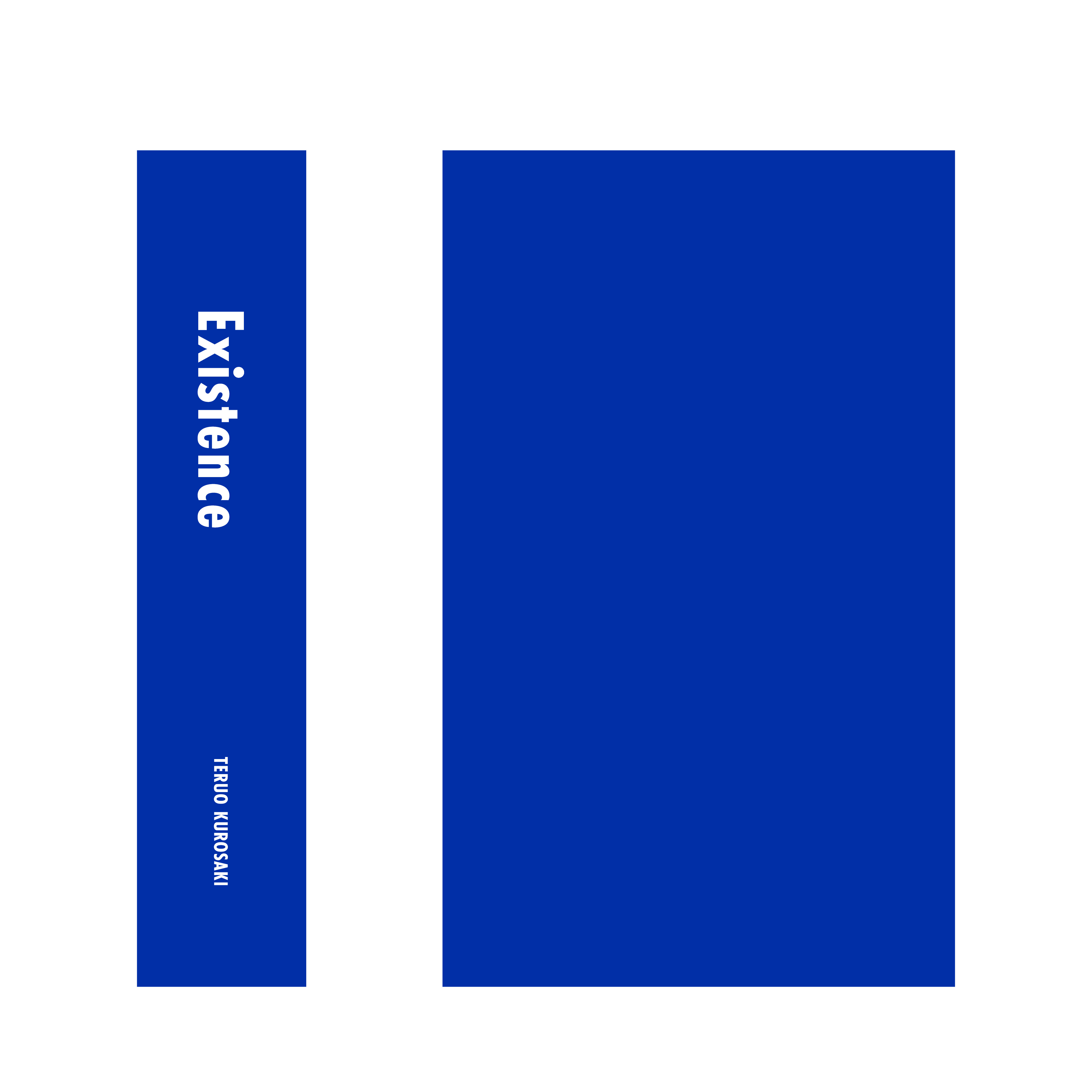
Existence

Existence

Existence is a book that recompiles the words and thoughts Teruo Kurosaki left behind. Organized around seven themes - aesthetics, design, architecture, agriculture, region, food, and community - this collection asks: how should we live from here?

The perspectives Kurosaki expressed through his blog and conversations moved across the relationships between city and nature, people and land, economy and culture - always keeping "existence" itself in view.

This book re-edits those scattered words into a quiet guide for people living today. It is both a record for passing on the question Kurosaki kept asking - how should a person be? - and an attempt at what might be called "the editing of a way of life."

Author
Teruo Kurosaki
Illustrations
Shinichiro Yoshida
Editor
Takao Kunori
Design
Kazuhisa Yamamoto (Donny Grafiks)
Planning
Tomoji Oya / Office of Teruo Kurosaki
Publisher
Office of Teruo Kurosaki
Pages
300
Language
Japanese
Price
JPY 4,400
Release Date
June 27, 2026

・Shipping is available within Japan only.

Order the Book

KUROTERU Studies
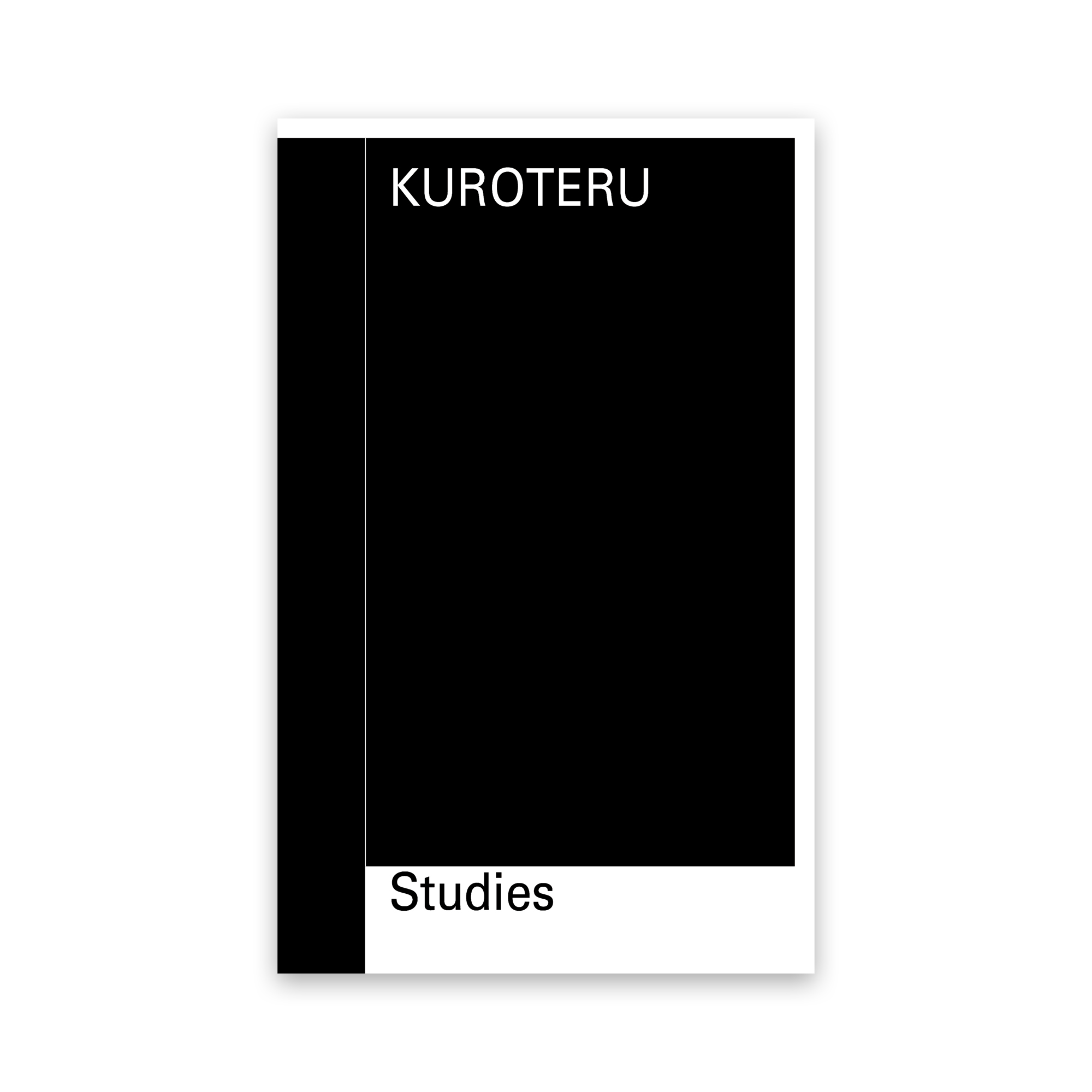
KUROTERU Studies

KUROTERU Studies is a book by those involved in Teruo Kurosaki's learning movement, from Schooling Pad to Freedom University.

Each contributor captures a moment when their way of seeing the world shifted, based on a scene or fragment, in a 400-character piece. One page per person.

Together, these fragments quietly reveal the contours of "freedom."
Limited first edition of 500 copies only.

Title
KUROTERU Studies
Author
Freedom University
Editor
Jiro Fukai
Design
Shinpei Onishi
Publisher
ORDINARY
Pages
80
Language
Japanese
Price
JPY 2,000
Release Date
June 27, 2026

・Shipping is available within Japan only.

Order the Book

kuro AI

kuro AI

We are introducing "kuro," an interactive AI shaped by the words and thinking of Teruo Kurosaki.

"What is the Question, is the Question?"

kuro was created to thread this question by Teruo Kurosaki into the future, and to accompany visitors in deepening their own questions through dialogue.

When an outline of a problem feels blurred, when you want to refine an idea, or when you simply want to revisit Teruo Kurosaki's words - please scan the QR code distributed at the venue and try messaging kuro from your smartphone.

Director
Takumi Sasaki
Developer
Ryo Fukumuro
Advisor
Tsukasa Horinouchi
Platform
LINE/Whatsapp
Release Date
June 27, 2026
Website
kuro-ai.jp
View details